How to Identify Phone Numbers: A Practical Guide to Caller Lookup
Every time my phone rings with a number I do not recognize, I feel a small jolt of uncertainty. Is it a client? A friend with a new mobile number? Or yet another spam call from a telemarketer who ignores the national do not call registry? Over the years, I have learned that the ability to identify phone number details quickly is not just convenient; it is a skill that saves time, protects privacy, and even prevents scams.
I used to just let unknown calls go to voicemail. That worked until a spoofed caller ID tricked me into answering what I thought was a local business. The person on the other end knew my name and my zip code. That call cost me two hours of untangling a phishing attempt. Since then, I have made it a habit to verify every unfamiliar number before I pick up. This article walks through the practical methods, tools, and legal protections that help you identify phone number information with confidence.
Why You Need to Identify Phone Numbers
Unknown calls are not just annoying. They can be dangerous. Robocallers, scammers, and persistent telemarketers use spoofed numbers to bypass caller ID filters. According to the FCC, complaints about unwanted calls remain among the top consumer issues year after year. The Telephone Consumer Protection Act gives you legal recourse against certain types of calls, but enforcement often depends on your ability to document who called and from what number.
Beyond security, there are everyday reasons to look up a number. Maybe you missed a call from a doctor's office and the voicemail cut off. Or you found a note with a mobile number and no name. A carrier lookup can tell you whether the number belongs to a major phone carrier or a voice-over-IP provider, which often signals a virtual number used by businesses or scammers. Knowing the area code and the type of line - landline, mobile, or VoIP - gives you a first layer of context.
The Basics of Reverse Phone Lookup
The most direct way to identify phone number ownership is a reverse phone lookup. You enter the full ten-digit number, and the service returns the name, location, and sometimes the phone carrier associated with it. I have used several services over the years, and each has its strengths.

NumberPro focuses on providing detailed data on both mobile numbers and landlines. It often includes the carrier and the general location. Whitepages has been around for decades and still offers a reliable reverse lookup for landlines in particular. Spokeo aggregates data from social media and public records, which can be helpful when the number belongs to someone who keeps their online profiles active. Truecaller relies on a crowd-sourced database and is especially useful for identifying spam calls from telemarketers. ZLOOKUP is a simpler, no-frills option that gives you basic caller details quickly.
Each of these tools has limits. No single service has a perfect database. Some numbers, especially those assigned to VoIP providers or new mobile numbers, may not show up in any public record. That is why I recommend trying more than one lookup if the first attempt comes up empty. Cross-referencing results often reveals a pattern - the same name appearing in two different services is a strong signal.
What the Data Tells You
When you run a reverse phone lookup, the information you get is usually a mix of public records, carrier data, and user reports. The area code tells you the geographic region where the number was originally assigned, though number portability means someone could keep their mobile number after moving across the country. The carrier lookup identifies the phone carrier that owns the block of numbers. This can be useful because some carriers are known for being more lenient with spam calls, while others have aggressive call blocking filters.
One thing I have learned the hard way is that a number belonging to a VoIP provider should raise a small flag. Many legitimate businesses use VoIP, but so do scammers, because they can obtain virtual numbers cheaply and discard them quickly. If the carrier lookup returns a VoIP company and the number is not listed in any directory, I treat it with extra caution.
The line type - landline versus mobile - also matters. Mobile numbers are more likely to be personal and harder to trace through traditional directories. Landlines, on the other hand, often appear in public records and are easier to link to a physical address. If you are trying to identify phone number ownership for a mobile number, you may need to rely on services that pull from social media or user reports, such as Truecaller or Spokeo.
Legal Protections and Your Rights
The FCC enforces the Telephone Consumer Protection Act, which restricts telemarketing calls, robocalls, and unsolicited text messages. If you have registered your number on the national do not call registry, most legitimate telemarketers are required to stop calling within 31 days. But the registry does not block calls from scammers or political organizations, and it does not apply to calls from companies you have done business with recently.
I have found that the most effective way to deal with persistent spam calls is to combine a reverse phone lookup with a complaint to the FCC. When you can identify phone number information and document the pattern of calls, the FCC can take action against repeat offenders. I keep a simple log: the date, time, number, and what the caller said. That record has helped me in two cases where the calls continued after I asked to be removed from the list.
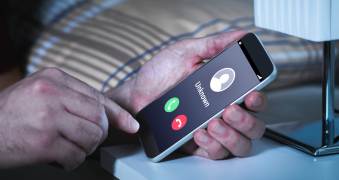
Call blocking tools have also improved. Many phone carriers now offer basic spam filtering at the network level. Apps like Truecaller and Nomorobo go further by using crowd-sourced blacklists. But none of these tools are perfect. A number that is flagged as spam by one user might be a legitimate business to another. That is why I still prefer to do my own lookup before deciding whether to answer or block.
Practical Steps for Everyday Use
Let me walk through a scenario that happens to me at least once a month. An unfamiliar number appears on my caller ID. The area code is from a state I have never lived in. I do not answer. Instead, I open a reverse phone lookup service and paste in the number. If the result shows a name I recognize, I call back. If it shows nothing, I try a second service. If both come back empty, I search the number on a search engine with quotes around it. Sometimes the number appears in forum posts where other people report it as a spam call.
If the number is linked to a telemarketer or a known scam, I add it to my phone's block list and report it to the FCC. If it turns out to be a friend who changed numbers, I save the contact and send a text. That whole process takes about two minutes. Over time, I have built a mental map of which area codes and prefixes are common for spammers and which are typical for local businesses.
When Reverse Lookup Falls Short
Reverse phone lookup is not magic. Some numbers are unlisted, especially those assigned to VoIP services or prepaid mobile plans. If the number belongs to someone who values privacy and has opted out of directory listings, you may never find a name. In those cases, the carrier lookup and the area code are the only clues you have. If the number is also not reported as spam anywhere, it might just be a legitimate caller who keeps a low profile.
I have also learned that numbers can be recycled. Phone carriers reuse disconnected numbers after a waiting period, sometimes as short as a few months. A number that once belonged to a small business might now belong to a random individual. That can throw off lookup results that rely on old public records. The best approach is to treat any lookup result as a clue, not a guarantee.
For emergency situations, such as a call from a number you suspect is a 911 emergency callback or a healthcare provider, do not rely on a lookup. Call the number back directly or use a known official channel to confirm. A reverse lookup is a tool for everyday curiosity and caution, not for urgent decisions.
Choosing the Right Tool for the Job
Different situations call for different tools. If you need to identify phone number information for a landline, Whitepages is hard to beat because it draws from decades of directory data. For mobile numbers, Truecaller and Spokeo are better bets because they tap into user-generated reports and social media. If you want a quick carrier lookup to determine whether the number is VoIP or traditional, NumberPro and ZLOOKUP both include that detail.

I keep a small set of bookmarks on my phone: one for Truecaller, one for Whitepages, and one for the FCC complaint page. That setup covers 90 percent of the unknown numbers I encounter. I have tried the others, but these three give me the fastest path from unknown number to informed decision. Over time, I have noticed that the same spam numbers often appear across multiple services, which confirms that they are indeed a nuisance.
The ability to identify phone number details quickly has become a small superpower in a world where anyone can call from anywhere. It gives me control over my attention and peace of mind. I no longer dread the unknown ring. I just reach for my lookup tool, check the area code and carrier, and decide whether to answer or ignore. That simple habit has cut my spam call frustration by more than half.
If you have never tried a reverse phone lookup before, I suggest starting with a free service like ZLOOKUP or Truecaller. Run a few numbers from your recent call log. You might be surprised by what you find - a telemarketer you thought was a local business, or a friend whose number you lost years ago. The more you use it, the more natural it becomes. And the more you learn about who is on the other end, the safer and more confident you feel every time your phone rings.